Friday, 9 October 2026 | Blog
How to combine old and new in interior design?


Have you ever browsed interior design catalogs and felt that although everything looks impeccable, it lacks authentic life? Perfectly coordinated furniture collections straight from the showroom can be cold and impersonal. On the other hand, we worry that bringing in a family keepsake will turn our home into a chaotic, room cluttered with old furniture.
Fortunately, contemporary design loves freedom. Wondering how to combine old and new in interior design to achieve a stylish, refined result? The key is a dialogue between history and contemporary comfort. Marrying objects from bygone eras with the functionality of contemporary solutions lets you create a home that tells the unique story of its residents. Below you’ll find comprehensive, practical inspiration to help you boldly and tastefully transform your four walls.
The most important rule of successful eclecticism is maintaining balance. To avoid visual noise, it’s worth relying on the 80/20 proportion. That means about 80% of the decor is a neutral base—for example, a calm, functional modern style—and the remaining 20% consists of bold accents with history, representing a retro style or the age-old heritage of craftsmanship.
In such a composition, it’s not about combining old furniture in an uncontrolled way. Instead, it’s worth following the principle of a strong focal point. Sometimes a single antique is enough to completely define the mood of a room.
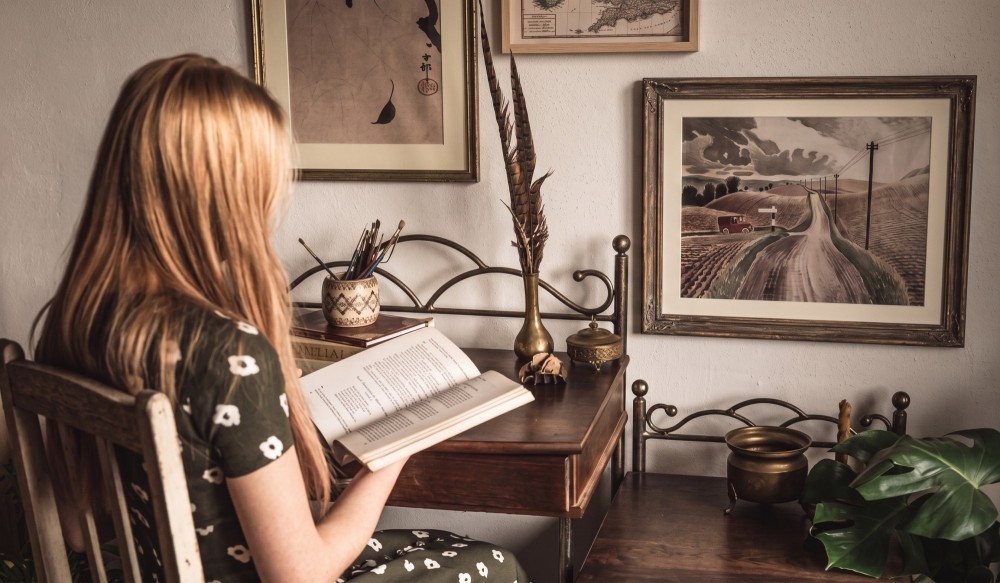
Imagine a spacious living room with simple lounge furniture, and next to it a restored, veneered old sideboard or a carved antique desk proudly on display. Such a piece immediately steals the gaze, and the vintage style lets it resonate fully precisely because the backdrop remains restrained. In this way, the combination of old and new gains lightness, and we build an individual style without the risk of aesthetic overload.
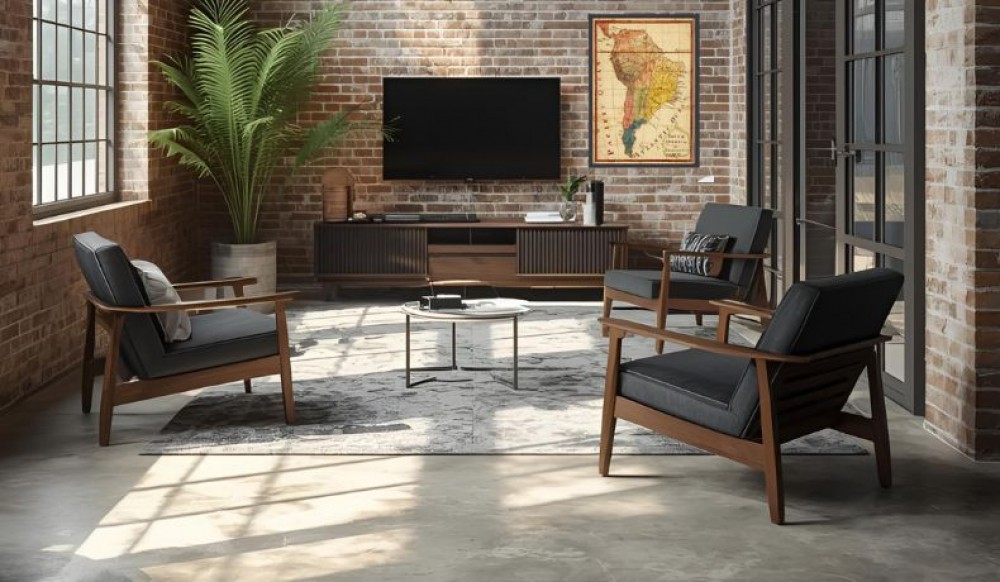
How do you make objects from completely different worlds form a harmonious, cohesive whole? The essential glue is a thoughtful color palette and refined materials.
When a living room features a combination of old furniture with raw modernity, earth tones, warm beiges, or deep, elegant bottle green become excellent connectors. The latter shade pairs beautifully with dark walnut as well as with minimalist, graphite modules.
Equally important is the play of textures based on contrast:
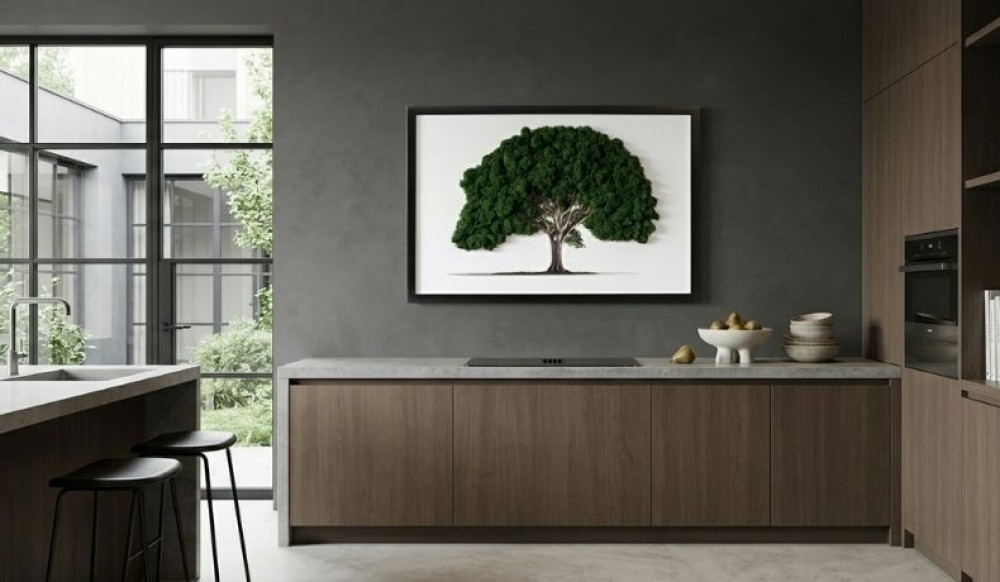
Warmth and rawness: Authentic, matte wooden surfaces look stunning against smooth walls, large-format sintered slabs, or polished concrete.
Floor-to-furniture dialogue: Nothing adds elegance quite like a modern sofa standing on a classic wooden floor laid in French herringbone.
Noble details: Introducing a mirror in a decorative, patinated gold frame into a minimalist entryway will soften the austerity and uniquely connect tradition with the present.
With this approach, we create a space in which no element feels accidental.
You don’t have to stage a revolution and buy heavy wardrobes to feel the vibe of past decades. The safest way to ease into eclecticism is with small accessories and vintage accents. They’re what let you test proportions and create interiors full of homey warmth.
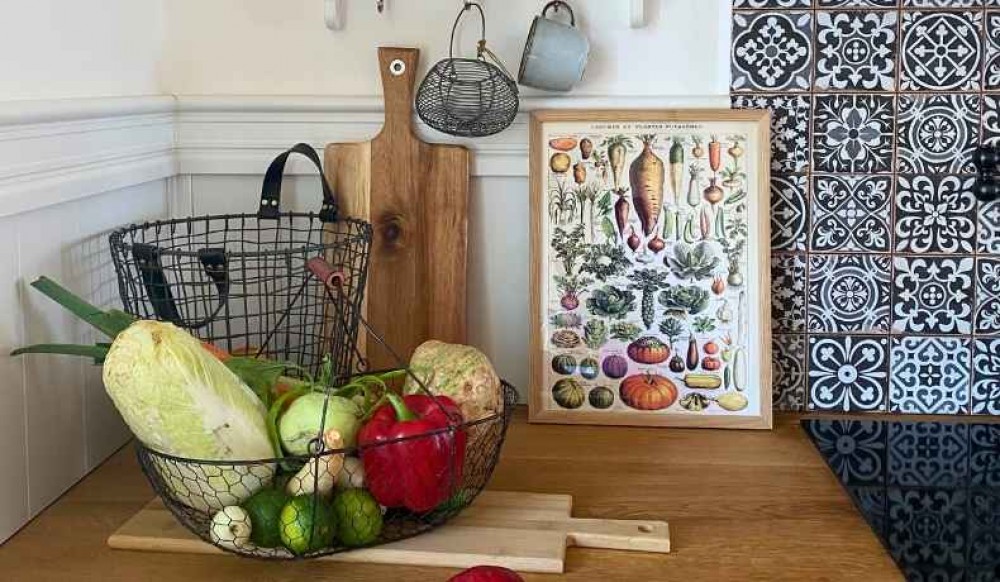
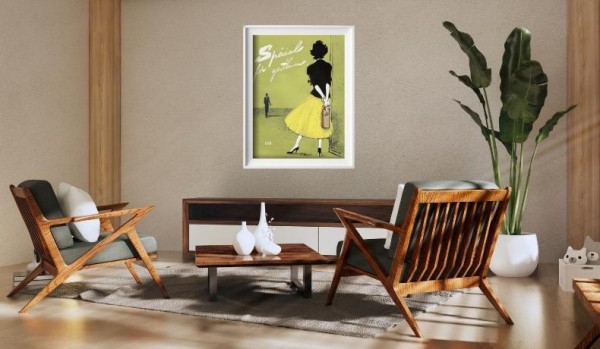
Walls are a great canvas. Instead of mass-produced prints from a home-improvement store, hang original vintage posters or postwar theater bills framed simply. Paired with the room’s modern architecture, this move will instantly give the space a soul.
Functional decor has similar power:
A patterned vase placed on a glass, industrial side table.
Brass candlesticks paired with smooth ceramics.
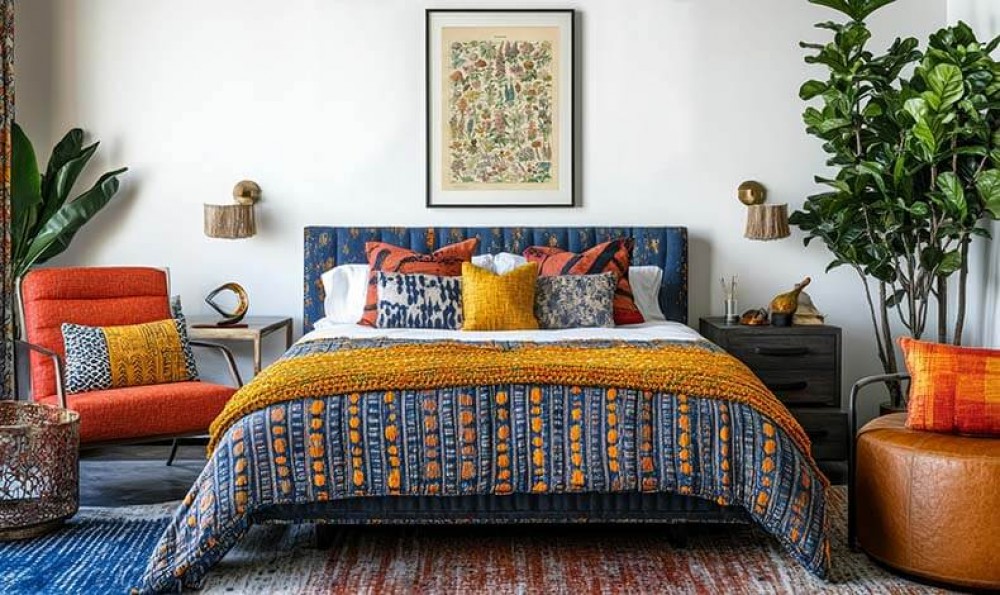
Pillows with bold geometric patterns inspired by 1960s and 1970s design.
Arranged this way, such items subtly draw guests’ attention, adding effortless chic to the whole composition.
Not all old furniture has to look like museum pieces. Contemporary design encourages creativity and giving reclaimed items a second wind. Refurbishing is not only an eco-friendly, less-waste trend, but also a reliable way to obtain a one-of-a-kind piece.
For vintage furniture to work in a modern rendition, a small facelift is often enough:
Reupholstery - classic wooden chairs from the modernist era will gain new life when you cover them in boucle fabric, mustard-colored velvet, or a material with bold art déco style patterns.
Modern hardware - timeworn, vintage dressers will gain a contemporary edge when you replace traditional pulls with simple matte-black bars or brushed brass.
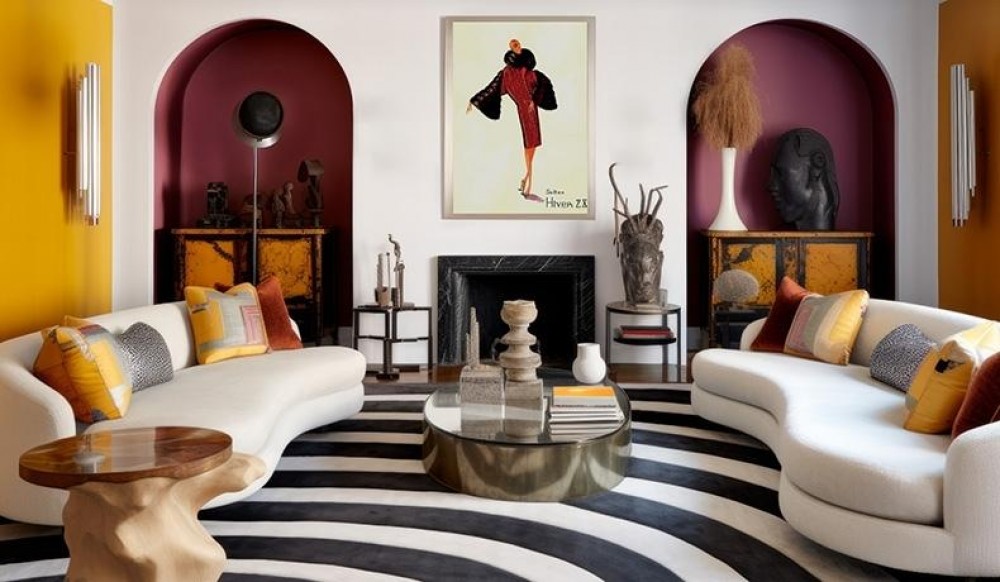
Playing with color - sometimes it’s worth daring to paint a cabinet body in a deep matte finish, leaving only the fronts in natural wood.
This approach is a great way to restore the former luster of aged pieces while skillfully weaving them among contemporary furnishings.
The art of skillfully balancing forms can be challenging. When we decide to mix old things with modern elements, it’s easy to cross the fine line between artistic eclecticism and chaos. What should you watch out for when creating your own interior design scheme?
Avoid a cluttered effect- remember to leave room to breathe. If you want to combine antiques with modern furniture, provide open space around the aged piece. A living room is not an antique store - every showpiece needs distance to resonate.
Prioritize lighting - in every successful space, light plays a key role. The right lighting builds mood after dark and shapes the room’s architecture. Modern, geometric pendant lamps made of matte metal wonderfully balance richly carved antiques, giving them lightness.
Don’t be afraid of bold contrasts - one of the simplest ways to break the mold is to pair old, patinated seats with a minimalist table with a thin top. This duo will give you a fresh, unique, and highly fashionable effect.
When you pair retro furniture with modern accents, don’t copy rigid formulas. Eclecticism is about freedom and trusting your own sense of aesthetics.
Skillfully juxtaposing the past with the present is one of the most rewarding paths in residential design. Boldly combining heritage with modern furniture and contemporary technologies makes an apartment cease to be a soulless catalog shot and become a place with unmistakable energy.
Remember:
Find a common denominator for the entire scheme through colors and materials.
Introduce statement pieces slowly - start with smaller forms such as accessories, lamps, or refurbished armchairs.
In modern interiors, every aged detail gains exceptional character and attracts guests’ attention, provided you give it the right backdrop.
Don’t be afraid to reach for treasures from the family attic or local flea markets. Look at them with fresh eyes, combine them with contemporary comfort, and create an interior that will never go out of style!