Thursday, 13 August 2026 | Art
A stylish combination of nature and minimalism - decorations that do not overwhelm


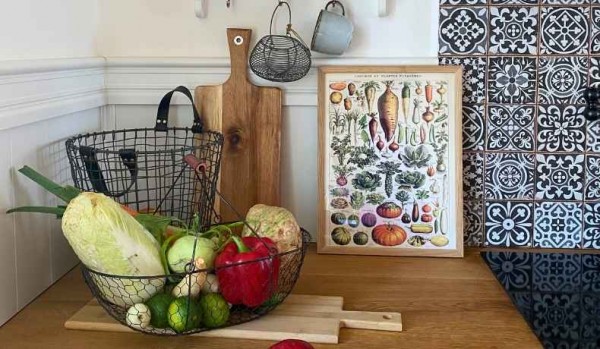
Contemporary interiors are increasingly expected to be not only aesthetic, but also calm, comfortable, and friendly to everyday life. That is why a stylish combination of nature and minimalism has gained so much popularity in recent years. It is an approach that allows you to create a space that is orderly but not cold; modern yet still cozy; restrained in form, yet full of subtle details.
The minimalist style focuses on simplicity and functionality. However, it is not about empty walls, austere rooms, or completely giving up decorations. On the contrary - well-planned minimalism allows you to showcase what is truly valuable. Every item has its place, and individual elements are not chosen randomly. Thanks to this, interiors form a cohesive whole and foster calm, rest, and regeneration.
The foundation of this aesthetic is natural materials, a neutral color palette, simple forms, and light. Wood, stone, linen, wicker, ceramics, and rattan introduce warmth, and muted shades build an atmosphere of harmony. As a result, the home does not look like a catalog display but like a consciously designed place to live.
In nature-inspired interior design, materials play an important role. They determine whether the room will be perceived as warm, authentic, and inviting.
Wood remains one of the most universal choices. It can appear on the floor, furniture fronts, countertops, shelves, or as small decorations. Wood with a visible grain looks particularly good, as it emphasizes the natural character of the space.
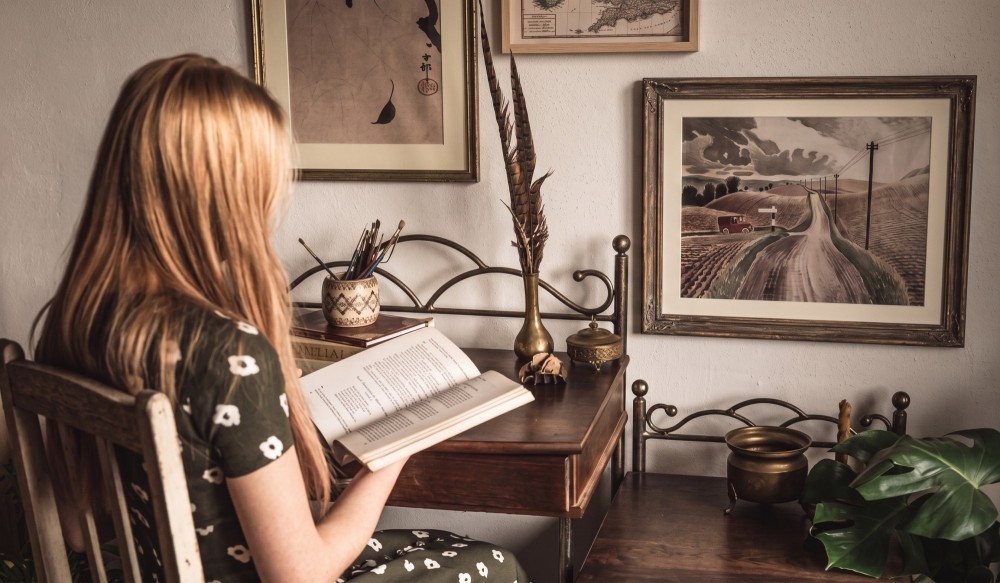
Equally valuable are stone, linen, cotton, wool, ceramics, wicker, and rattan. Such natural materials do not need elaborate ornamentation, because their strength lies in their texture, color, and the way they age. This approach is close to the Wabi-Sabi philosophy, which celebrates imperfection and the natural traces of use. A small crack in handmade ceramics, the irregular surface of stone, or timeworn wood can give an interior character in a unique way.
It is also worth choosing the right materials for the function of a given room. In the living room, soft natural textiles will work well; in the kitchen, durable stone and wood; and in the bathroom, ceramics, glass, and moisture-resistant wood species. A well-designed space should be both functional and aesthetic.
Scandinavian style is a good example of a harmonious approach to materials. It combines minimalism with natural raw materials, and wood is one of its most important elements. Whites and grays dominate, furniture forms are light, and daylight is used to the maximum. Scandinavian style shows that simplicity and functionality do not have to mean coldness.
Similar principles apply to the eco style. The ECO style combines naturalness with minimalism, uses wood and rattan, promotes energy efficiency in home installations, and encourages the recycling of furniture and decorations. Ecological materials, renewing old items, and limiting unnecessary purchases fit into an eco-friendly approach to home design. Such a conscious choice can positively affect not only the look of the apartment but also the household budget and the environment.
Color is one of the most important tools for organizing an interior. In rooms kept in the spirit of minimalism, a limited color palette works best. Neutral colors create a calm backdrop, thanks to which furniture, decorations, and materials do not compete for attention.
When establishing a color palette, people most often choose beiges, off-whites, warm grays, browns, and earth tones. Such a neutral color scheme gives you a lot of freedom and allows the arrangement to develop gradually. An interior arranged in neutral shades can be easily refreshed with a pillow, a vase, a print, or a new lamp, without the need for a full renovation.
Muted shades do not have to be monotonous. The key is to use different textures. A matte wall, a linen curtain, a woven basket, a wooden dresser, and a ceramic bowl can all come in neutral colors and still create an interesting, multidimensional composition. Paying attention to the surface structure makes the space feel cozy without an excess of patterns.
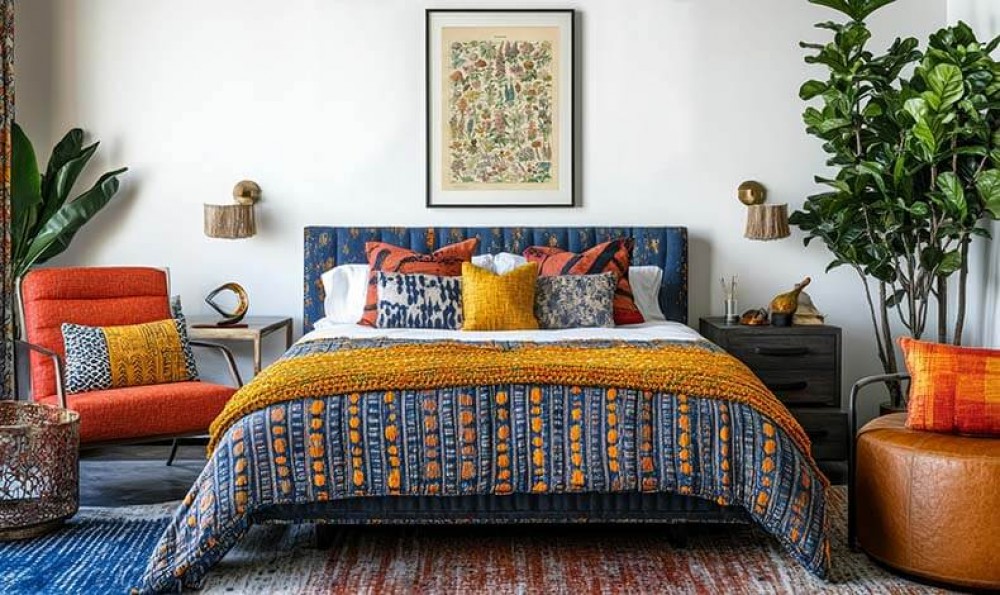
A neutral color base is also crucial when we combine other styles. The industrial style can be warmed up with wood, light fabrics, and plants. The glamour style gains subtlety when shine appears in a limited amount. The boho style becomes more orderly if intense patterns are replaced with natural weaves and textiles in muted colors. In turn, the boho-minimal style combines a limited color palette with natural materials, thanks to which it retains lightness and freedom.
This principle resembles building a minimalist wardrobe. Neutral colors, classic cuts, and a limited number of items make it easier to freely combine clothes and create different outfits for different occasions. The interior works similarly: if the base is calm, stylish accents can be swapped seasonally without disrupting the entire composition.
A key premise of Biophilic Design is bringing nature into the interior. However, this does not mean placing plants on every shelf. In a minimalist space, a few well-chosen specimens will work better than a random collection of many pots.
Potted plants can serve as living decor, improve the perception of the room, and soften the sharp lines of furniture. A large monstera, ficus, olive tree, or strelitzia can become the main accent of the living room. In the bedroom, it is better to opt for a calmer composition of one or two plants with a delicate habit. The choice of planters is also important - ceramic, clay, or woven models work well with the natural style.
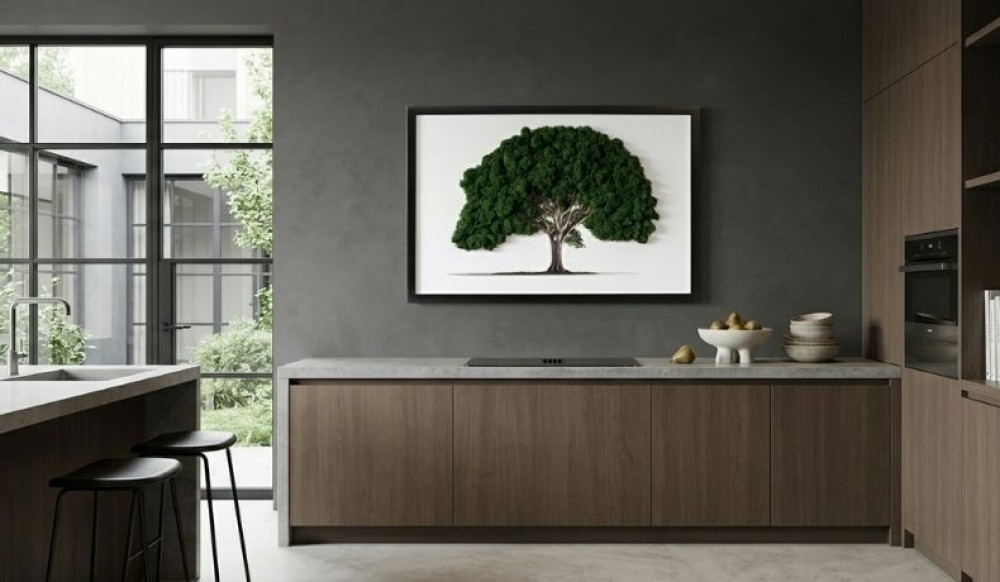
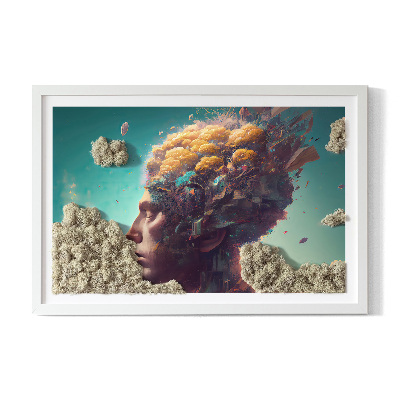
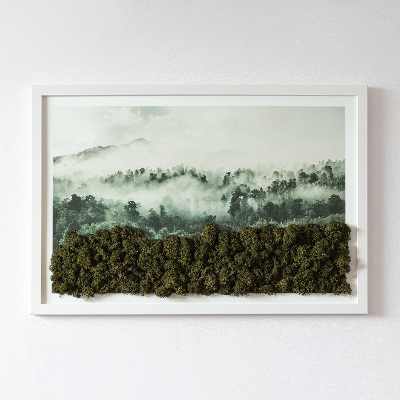
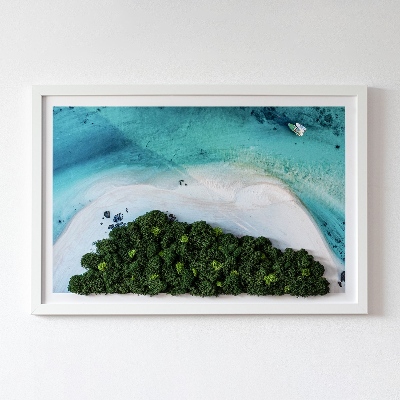
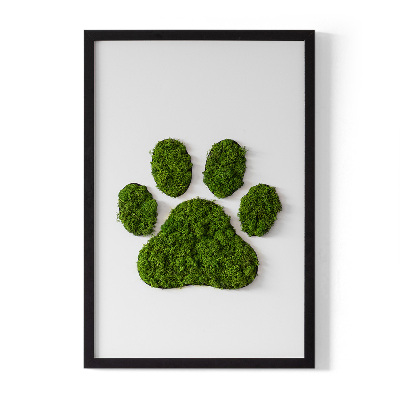
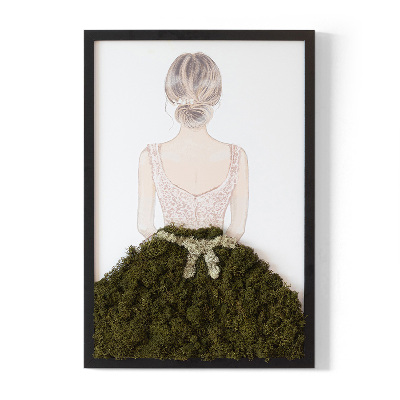
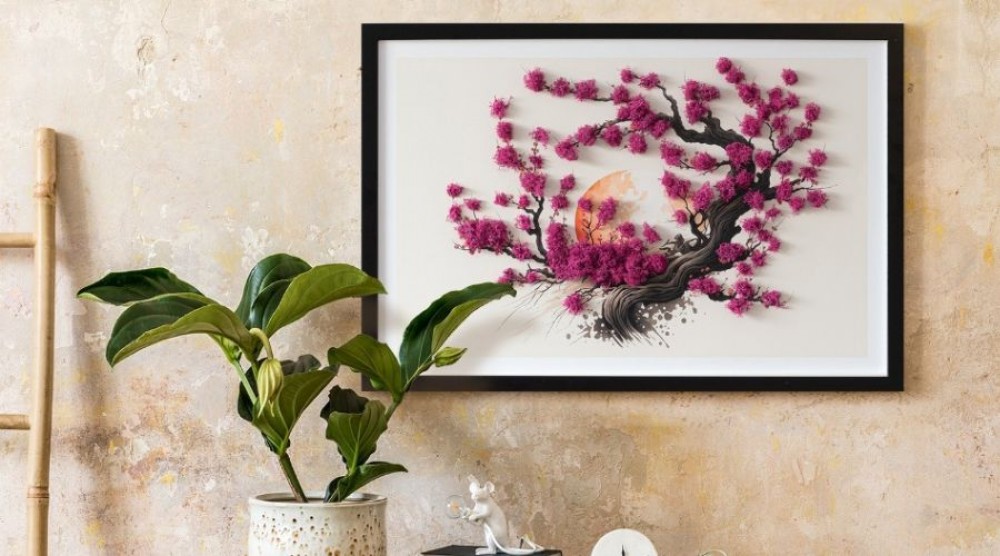
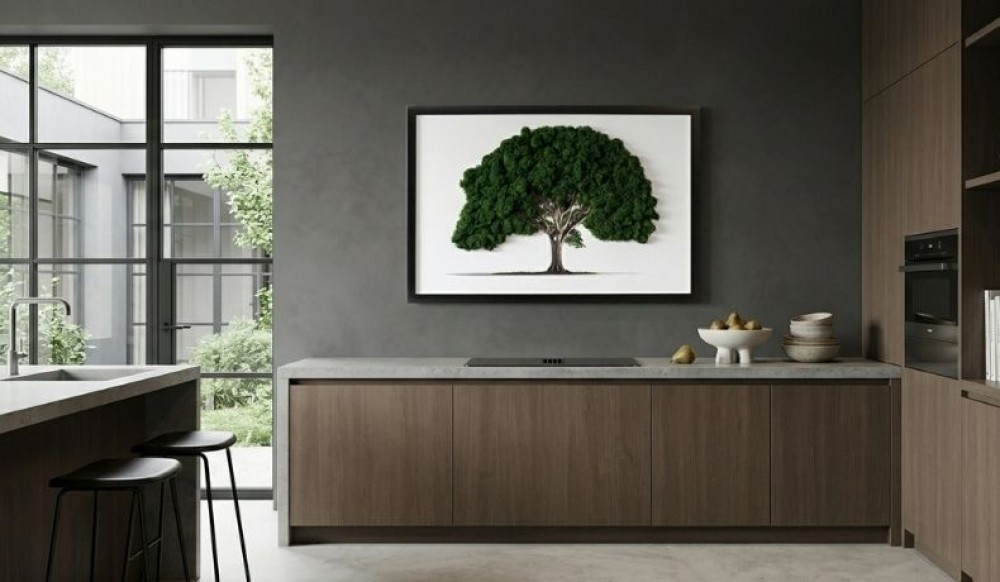
An interesting solution is a moss picture. Such a decoration brings in greenery without taking up space on the floor or windowsill. It can hang above a dresser, in the hallway, or by a home desk. In a minimalist interior, a single composition with a simple shape and a calm frame looks best. It is an excellent choice for small apartments where every inch counts.
Plants also help connect seemingly distant aesthetics. Masculine minimalism focuses on simplicity and functionality while combining elegance with coziness. It often relies on darker wood, metal, and furniture with simple lines. Feminine boho celebrates naturalness, softness, and eclecticism. Potted plants connect masculine minimalism with feminine boho because they introduce an organic form without excess ornamentation.
In the organic style, greenery has particular significance. The organic style combines harmony with natural materials, prefers gentle lines and rounded shapes, and avoids sharp divisions within the space. Wood is a key material, and natural textiles—linen, cotton, and wool—create an atmosphere conducive to rest. Thanks to this, the relationship with nature becomes tangible not only visually, but also through touch, light, and the way one moves through the interior.
Minimalism eliminates unnecessary elements in interior design, but it does not mean giving up personality. The most important thing is a conscious choice. Instead of many random decorations, it is better to opt for a few items that have functional, emotional, or artistic value.
A good method is to evaluate each accessory according to three criteria: whether it is necessary, whether you truly like it, and whether it fits a cohesive concept. If the answer to all questions is negative, the item probably should not take up space. Such selection makes it easier to create a harmonious whole.
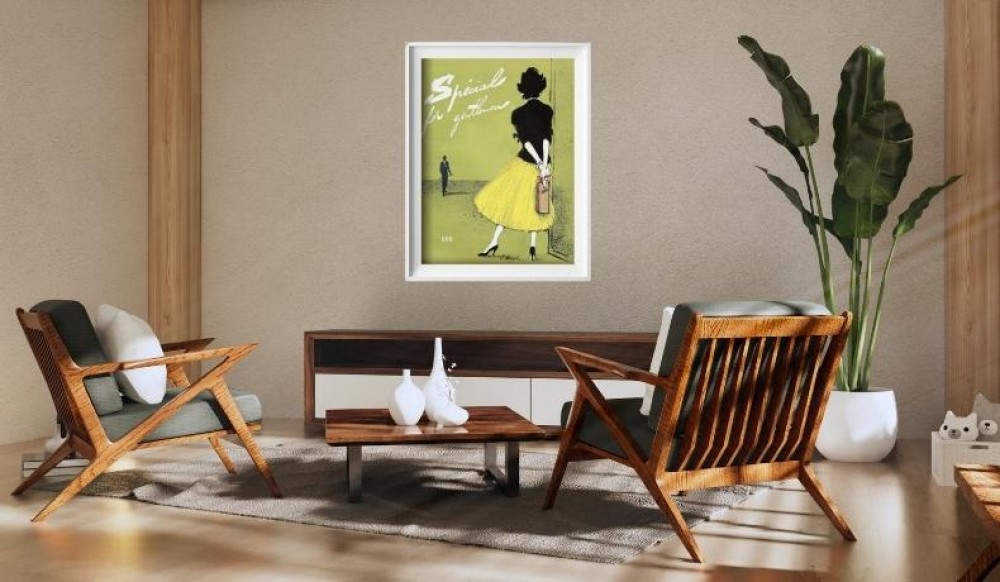
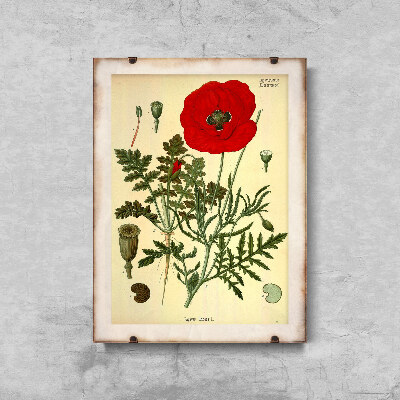
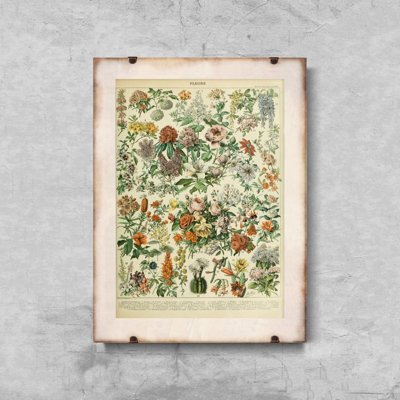
It is also worth maintaining proportions when selecting elements. A large wall does not always require a gallery of a dozen pictures. Sometimes one larger poster, a mirror, or a decoration made of natural material will be the ideal choice. Similarly, a dresser does not have to be filled with trinkets. A lamp, a bowl, and one book can form a cohesive whole if their colors, heights, and materials are well coordinated.
The base should be timeless, while accessories can change with the seasons or the needs of the household. A minimalist lifestyle does not mean giving up pleasures. It can encompass mindful shopping, healthy food, an organized wardrobe, and choosing durable things instead of random ones. In fashion and interiors, simplicity often leads to greater elegance.
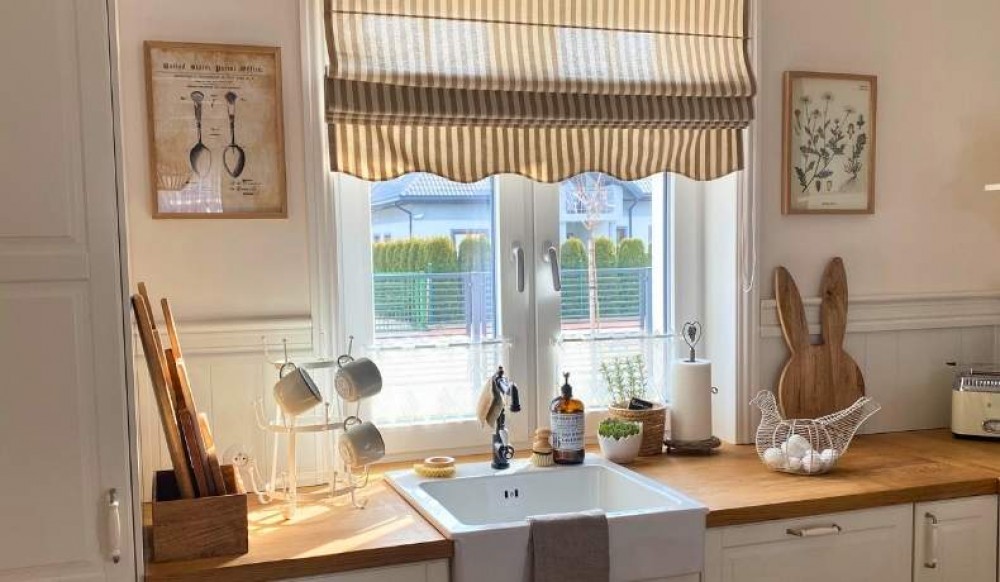
Natural light can completely change the way an interior is perceived. It brightens neutral surfaces, brings out the texture of wood, and makes even a small room seem larger. Therefore, it is worth avoiding heavy curtains that block the windows. A better choice will be lightweight sheers, Roman shades, or linen drapes.
Scandinavian style maximizes the use of natural light. There is no need to fear white in it: on the walls it is combined with light wood and delicate fabrics. Such solutions are also an excellent choice in small apartments or rooms with limited access to sunlight.
After dusk, an important role is taken over by layered lighting. A single ceiling lamp rarely suffices to create a cozy atmosphere. It is better to combine the main light with a floor lamp, a sconce, and gentle table lighting. Models with simple lines, made of paper, glass, wood, or metal, help maintain visual order.
Textiles should warm the space, but not overwhelm it. Natural textiles, such as linen, cotton, and wool, look good in neutral colors. A chunky-knit throw, a few pillows, and a soft rug are enough to make the living room more comfortable. It is worth limiting the number of patterns and using different textures instead.
Well-chosen details make it possible to build style without excess. Stylish accessories may include a ceramic vase, a wooden candleholder, a handwoven basket, or a lamp with an organic form. There is no need to buy them all at once. Slowly completing the furnishings gives time to assess whether each element truly matches the whole.
Thanks to this, the space can be both functional and beautiful, and all elements form a harmonious whole. The natural style does not exclude modernity, and minimalism does not deprive an interior of warmth. A properly designed base also allows you to combine other styles - from Scandinavian, through industrial and glamour, to boho, eco, and organic styles.
A stylish combination of nature and minimalism is more than a passing trend. It is a way of designing that supports order, comfort, and everyday relaxation. The most important thing is to maintain balance. Minimalism does not mean giving up decorations, memories, or individual style. On the contrary - it allows you to better showcase the things that truly matter.
Such a lifestyle teaches choosing quality over quantity. This applies to furniture, decorations, wardrobe, food, and everyday habits. The interior then becomes not only attractive, but above all supportive - calm, functional, and tailored to the person.